
Photo By: Celia Khalaf
February 2026
Photo taken at the Rocky Mountain Arsenal National Wildlife Refuge. It is estimated that the park has seen 12 feet of snow since October.
The Environmental Chain Reaction Affecting Northern Colorado: Snowpack, Drought, and Wildfires
Reporting on how snowpack, drought, and wildfire season impact the northern Colorado community, particularly residents of Northern Colorado. How do these environmental issues heighten concern for people who live there? Does the amount of snow Fort Collins receives in the winter influence the severity of wildfires in the summer, and what role do drought conditions play? Overall, how do these environmental factors affect daily life and long‑term wellbeing for residents in this area?
Many in Northern Colorado have started to wonder when they would see snow on the foothills. The residents have been prepping for winter and anticipating snowfall, yet only about 10 inches or so of snow have fallen in this area. In contrast, the mountains have received approximately 20 inches of snow. However, these amounts are still significantly lower than scientists would prefer. This year, Colorado has reached only 61% of its normal snowpack.
Paul Schlatter, meteorologist, and Aldis Strautins, senior service hydrologist from the National Oceanic and Atmospheric Administration (NOAA), were well informed about the effects of snowpack and wildfires. Snowpack is “...snow that we get in the mountains, and it becomes our reservoir for water essentially for the rest of the year out west...When I am looking at snowpack, I am looking at snow water equivalent, which is how much water is in the snow,” Strautins said.
Averages of snowfall in Colorado over the past few years helps not ony residents understand the importance of these low numbers but also helps the scientist understand this year's low snowpack. “National averages are always something to look at. Winters in the near past can predict how this year will look. So far in Colorado, we are seeing 55% below the normal average” Strautins said.
The chart below shows a green dotted line labeled "normal" and a blue line showing the shifting median over the past few years.
Low snowpack will impact how much water there will be in the reservoirs. Less water affects agriculture and the residents of the Colorado foothills.“It is going to be a lot harder to get up to normal for snowpack. We might be able to get above the historical lows and not be the lowest year, but there is still that possibility, too.”
Schlatter said that the wildfire risk this summer will be directly related to the historically low moisture levels and precipitation this winter. This drought is the main spark that is leading to a higher wildfire risk this summer. “Today is a perfect day. You know, February 17th, when all those conditions come together, the drought, the high winds, the really dry air, and we have got fires starting in various parts of the Colorado Plains.”
Unless Colorado sees more precipitation and a strong green-up in May or June, the state faces an elevated wildfire risk heading into summer. Schlatter explained that healthy green grass is far less likely to ignite than the dry, dead brown grass left over from a snowless winter. If spring rains fail to arrive and new growth dries out early, the fire danger won't ease.
While snowpack may not directly affect wildfires, it is related to the amount of precipitation in the lower foothills. The precipitation determines whether Colorado will have a green summer or a dry summer.
“Strong winds are probably the number one thing by far, and the stronger the winds, the worse the fire can spread. Relative humidity values are also extremely important, because under really dry air conditions, fire starts and fires spread become more severe and more rapid.”
There are many conditions, such as wind, humidity, and drought, that make wildfires more likely in warmer weather. This winter is leading to those conditions combining for this summer's risk. Colorado appears to be at a greater risk for wildfires based on this winter.
The Colorado River is a key source of water for not only Colorado, but also 6 other states, 30 Native American tribes and 40 million people. Water supply is threatened when there is low runoff from melting snow in the mountains and drought conditions. A low water supply has a negative impact on everything, not only agriculture but also Colorado's economy, which is reliant upon recreational activities that depend on snowfall.
Right now the water levels in the reservoirs are below average and are continuing to be affected by the low precipitation and low snowfall. Denver Water was only 82% full, lower than reported last year. Aurora Water and Jefferson Lake are two water sources in Colorado that have seen worse levels of water sitting at 60% and 20% of capacity, as stated in Tuson and PBS. The mountain snowpack numbers influence the amount these reservoirs hold.
Wildfire numbers in Colorado only keep growing. As of the month of February, there have been 6 significant wildfires. Colorado has seen around 8 so far this winter season. These numbers were given to me by AI. These number are only estimated to grow.


Chart from AI Poe bot "environment123" using data from scientific and national sources. We used AI to gain knowledge about scientific numbers and graphs of these effects happening in Colorado.
Chart from AI Poe bot "environment123" using data from scientific and national sources. We used AI to gain knowledge about scientific numbers and graphs of these effects happening in Colorado.
Colorado Climate Center, Colorado State University
Peter Globe, assistant climatologist with the Colorado Climate Center at Colorado State University, further clarified the impact of snowpack on the environment. His research is largely focused on climate change and climate variability in Colorado and the Western United States.
“I'm glad you asked why snowpack is important, because I think that it’s important for people in Colorado to have some concept of why it’s so important.”
Globe mentioned how Colorado is a headwater state, meaning we don't have any major rivers that flow into Colorado from another state, and we are not attached to any major great lakes or large fresh bodies of water. The majority of Colorado's water comes from snowfall, which melts in late spring or early summer and replenishes lakes and reservoirs.
Globe emphasised the importance of water to Colorado many times throughout the interview. He even touched on the importance of water for environmental, recreational, and agricultural uses. Many people need snow for skiing in the winter and rafting in the summer when the snow melts into the rivers. Other states, such as California and Arizona, are also dependent upon the water levels in the Colorado River.
With this low snowpack and high temperatures in the winter, it's likely to see hotter summer weather, restrictions on water crop usage, and potentially wildfires. A lot of the impacts of the low snowpack will be felt in terms of water usage this spring and summer.
The 2026 Snowpack has been compared to the 2002 drought and low snowpack numbers. One thing that is different between the two is there has been a warmer summer this year than in 2002. Heat can reduce runoff and accelerate snow melt. In 2002, multiple droughts led to extremely low reservoir storage. While this year, our reservoir numbers are in decent shape because we have not yet experienced multiple droughts.
“...generally, with these types of weather patterns, current performance is no guarantee of future performance.”
Climate variability makes it impossible to predict snowpack in the future. This unpredictability can also be seen with storms and severe weather.

Photo By: Celia Khalaf
February 2026
The photo was taken at the Rocky Mountain Arsenal National Wildlife Refuge. New information says that the park is doing prescribed burns for two months.
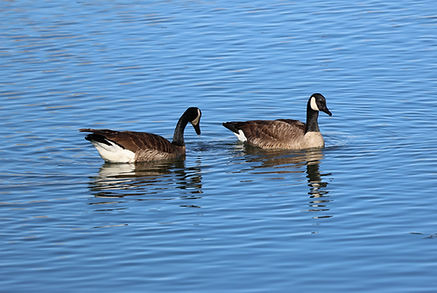
Photo By: Celia Khalaf
February 2026
The photo was taken at the Rocky Mountain Arsenal National Wildlife Refuge. There are 20 miles of hikes, fishing spots, and photography opportunities at the park.

Photo By: Celia Khalaf
February 2026
The photo was taken at the Rocky Mountain Arsenal National Wildlife Refuge. The types of ground dwellers the park has are black-tailed prairie dogs and ferrets.
Poudre Fire Authority: Annie Bierbower
Fire conditions continue to threaten Colorado as we head into spring. These conditions that create the perfect environment are drought, wind, and precipitation.
Here are links to the alert systems in place in Northern Colorado
AI Transparancy Use Statement
AI is a tool that can be utilized by journalists to aid them in stories they write. The usage of generative AI does not replace human reporting, human sources, or using our own judgment. The use of AI was an aid not the main source of information for this story. While AI was used to produce charts and numbers about the stats with snowpack and wildfires in Colorado, it was also fact-checked and questioned. These numbers you see in the story are accurate and was fact checked after AI’s help
Here is the link to the 123environment Poe bot I madee: https://poe.com/123environment